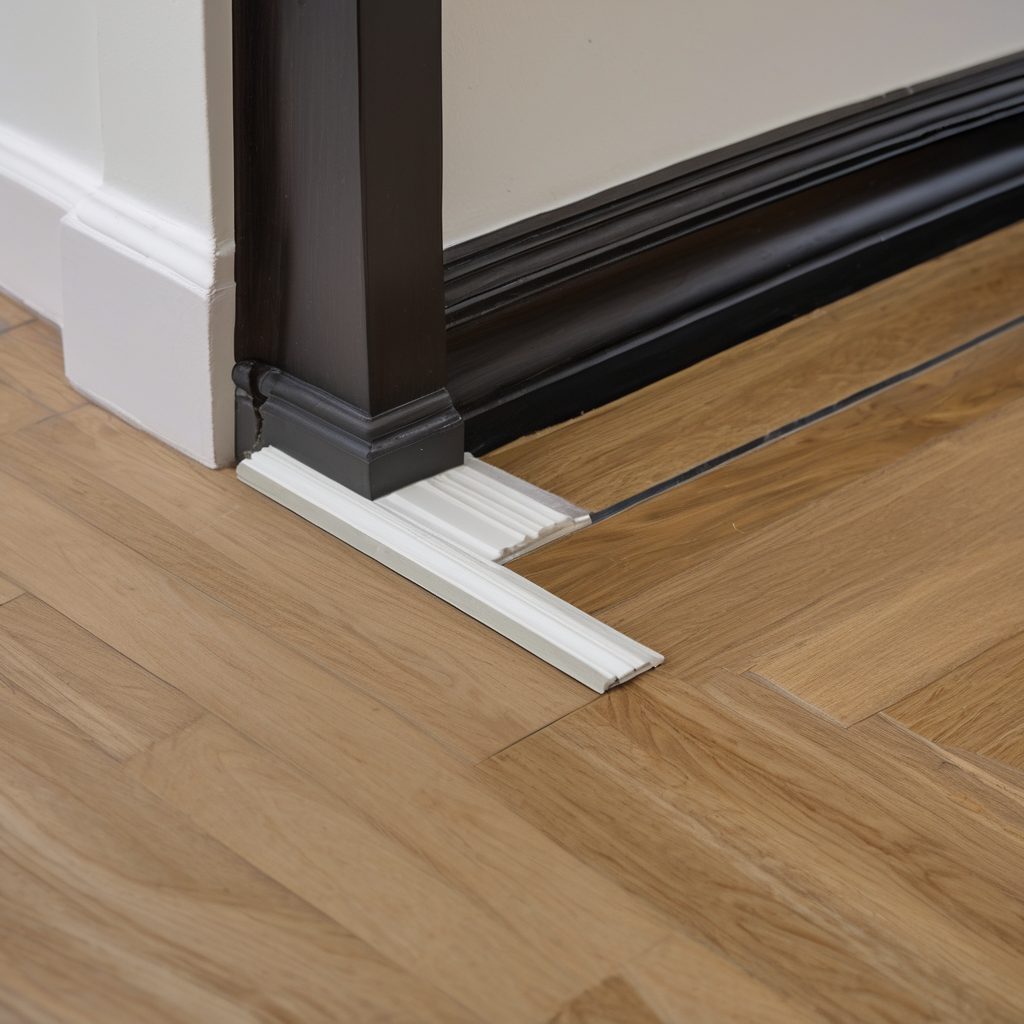
Keep your flooring looking new with the right maintenance routine for your material.
Care, not wear, decides how long a floor lasts
A flooring installation is an investment that sits underfoot every day for years. Its life depends not on the first day it is installed, but on what happens after. The same hardwood floor that looks perfect at move-in will turn cloudy, dull or water-damaged if the care routine misses the mark. Luxury vinyl plank lasts longest when dirt and grit are swept away before they scratch the surface. Carpet maintains its pile and color with regular vacuuming and prompt stain treatment. Each material has its own demands, and each one degrades more quickly under the wrong care than it does from normal wear.
As the National Wood Flooring Association explains, a hardwood floor does best on a steady routine of sweeping and vacuuming, with wet and steam mops kept away from it. It is dull advice, and it is the advice that keeps a good finish looking good. Water is the hardwood floor's enemy: standing moisture causes swelling and cupping, and repeated exposure to damp mops breaks down the finish coat. Vinyl and carpet have their own challenges—grit scratches vinyl and dulls carpet pile, while moisture trapped under vinyl can cause adhesive failure. The first step to a floor that lasts is understanding your material and its vulnerabilities.
What follows are the maintenance routines that work. Not all of them cost money. Most of them take time and attention. But the time spent now prevents the emergency phone call later, when repairs or replacement become necessary. A maintained floor is also a happier floor: it glows, it feels clean, and it holds its value.
What floor care costs, from a mop to a refinish
Professional maintenance services start at $0.50 per square foot for basic cleaning and finish inspection.
Basic maintenance—sweeping, vacuuming, spot cleaning spills—costs nothing but time. It is the first line of defense for all flooring types and should happen weekly or more often in high-traffic areas. Professional deep cleaning runs $0.50 to $1.50 per square foot depending on the material and the condition of the floor. Annual maintenance of a 2,000 square foot hardwood floor costs $1,000 to $3,000 if you hire professionals for polishing and sealing. For a floor that is refinished every 7 to 10 years, add $8 to $15 per square foot. Vinyl and carpet cost less to maintain professionally, typically $400 to $1,200 per year for the same square footage. Carpet deep cleaning every 12 to 18 months runs $300 to $800, while vinyl rarely needs anything more than occasional professional care. Doing the work yourself stretches that budget much further, though the results depend on your equipment and technique. A consumer-grade floor buffer costs $40 to $100 to rent, and microfiber mop pads cost just a few dollars.
Know your finish before anyone cleans it
Check the floor's finish before you plan maintenance. A water-based poly finish behaves differently than oil-based or wax.
Before you hire someone to clean or treat your floor, know what you have. Ask a previous owner, check the invoice from installation, or ask a flooring retailer to identify your finish. Hardwood with a water-based poly finish cleans differently than oil-based or wax. Oil-based finishes can be recoated more easily but take longer to cure. Waxed floors need rewaxing every year or two. Polyurethane is the most common and the most durable, but it is also slippery when wet. Luxury vinyl plank manufacturers often specify what tools and chemicals should not touch the surface—an overly aggressive cleaning tool can dull the finish or, in some cases, actually strip off the wear layer. Carpet fiber type matters too: wool responds differently to cleaning than nylon or polyester. The care routine that works for one material can damage another, so verification at the outset saves money and headache.
The weekly routine for hardwood, vinyl and carpet
The daily maintenance for hardwood is simple: sweep or vacuum first to remove grit that scratches, then use a dry or barely damp microfiber mop. A microfiber mop wrung out to barely damp leaves no standing water and picks up fine dust that a broom misses. Never use standing water, wet mops or steam cleaners on hardwood. For luxury vinyl plank, vacuum or sweep first, then mop with a damp cloth and a cleaner made for vinyl. Plain water works in a pinch. For carpet, vacuum at least twice weekly in high-traffic areas. A high-quality upright or canister vacuum with strong suction will remove more dirt than a lightweight stick vacuum. Tackle spills immediately with cool water or a carpet-safe stain remover. Blot, do not rub, and work from the outside of the stain toward the center to avoid spreading it. Monthly maintenance means moving furniture to reach the entire floor, and annual deep cleaning—or every 18 months for carpet—extends the life of all three materials. The work takes time, but the payoff is a floor that looks cared for years after installation and that holds its value when you sell.
Professional floor care demo
Watch a professional demonstrate proper techniques for cleaning hardwood floors without damage.
Wet is not the same as clean
The one thing homeowners do wrong is use too much water on hardwood or vinyl, thinking wet equals clean.